How ambient scribing, computer vision, predictive wearables, digital health triage, and AI-driven drug discovery are reshaping modern medicine
Not long ago, a doctor’s day was measured in clicks. Between appointments, clinicians would spend hours hunched over keyboards, translating conversations into structured notes, chasing down lab results, and re-entering the same patient data across disconnected systems. That version of medicine, defined by administrative bloat and diminishing face time with patients, is quietly being replaced by something faster, more precise, and far more human.
The use of AI in healthcare in 2026 is no longer a distant, futuristic promise. It has become a practical clinical collaborator, sitting quietly inside exam rooms, radiology suites, wearable devices, and hospital intake desks. According to Grand View Research, the global AI in healthcare market is projected to surpass $50 billion in 2026, a figure that reflects just how deeply this technology has embedded itself into everyday clinical workflows.
This shift is not about replacing doctors or nurses. It is about clearing away the noise so clinicians can spend more time doing what only humans can do: listening, diagnosing with judgment, and caring. Below are five of the most significant ways artificial intelligence in healthcare is actively transforming patient outcomes and clinical experiences today.
The Dawn of Intelligent Medicine: What Is the Use of AI in Healthcare Today?

Healthcare AI has moved well past simple automation. The current generation of tools is often described as agentic AI, systems capable of understanding clinical context and offering proactive, goal-directed support rather than just following a fixed script. Instead of merely flagging a data point, these systems can suggest a next step, summarize a patient’s history, or triage an incoming case, working alongside clinical staff as an active participant in care.
A handful of core technologies make this possible. Natural language processing allows software to listen to a conversation and turn it into an accurate medical transcription. Computer vision gives algorithms the ability to scan X-rays, CT scans, and pathology slides for patterns too subtle for the human eye to catch quickly. Machine learning models trained on huge volumes of inpatient data can flag which patients are at risk of deterioration before a nurse’s rounds even begin.
Together, these tools mark a broader shift in the philosophy of care: from standardizing treatment across broad patient populations to hyper-personalizing it for the individual in front of the clinician.
Effective AI adoption starts with strong operational processes. Learn the fundamentals in our What Is Hospital Management? A Complete Guide.
5 Revolutionary Impacts of Artificial Intelligence in Healthcare

1. Combating Clinician Burnout with Ambient AI Scribing
For years, one of medicine’s quiet crises has been the sheer volume of documentation required for every patient visit. Physicians routinely spend hours after clinic hours finishing notes, a phenomenon often called “pajama time.” That burden has been directly linked to burnout, turnover, and, indirectly, to diagnostic errors made by exhausted clinicians the next day.
Ambient AI scribing tools are changing that equation. These systems listen securely during a patient visit, using natural language processing to draft a structured, EHR-compliant clinical note in real time. Ambient AI, in this context, simply means the software works in the background of a normal conversation rather than requiring anyone to stop and dictate into a device.
Health systems have reported meaningful results from these deployments. The U.S. Department of Veterans Affairs and academic centers such as Cedars-Sinai have piloted mobile ambient assistants for nursing staff, aiming to cut down the documentation load that pulls attention away from the bedside.
The chain reaction here is worth spelling out. When AI scribes handle the data entry, doctors can leave work closer to on time. That reduces mental fatigue heading into the next shift, which in turn lowers the likelihood of small, fatigue-driven diagnostic errors. The result for patients is simple but significant: more eye contact, more genuine conversation, and a clinician who is present in the room rather than typing.
| By the numbers, industry reporting on ambient scribing deployments has pointed to roughly a 40% reduction in charting time, freeing up one to two hours per clinician, per day, for direct patient care. |
2. Enhancing Diagnostic Speed and Accuracy via Advanced Computer Vision
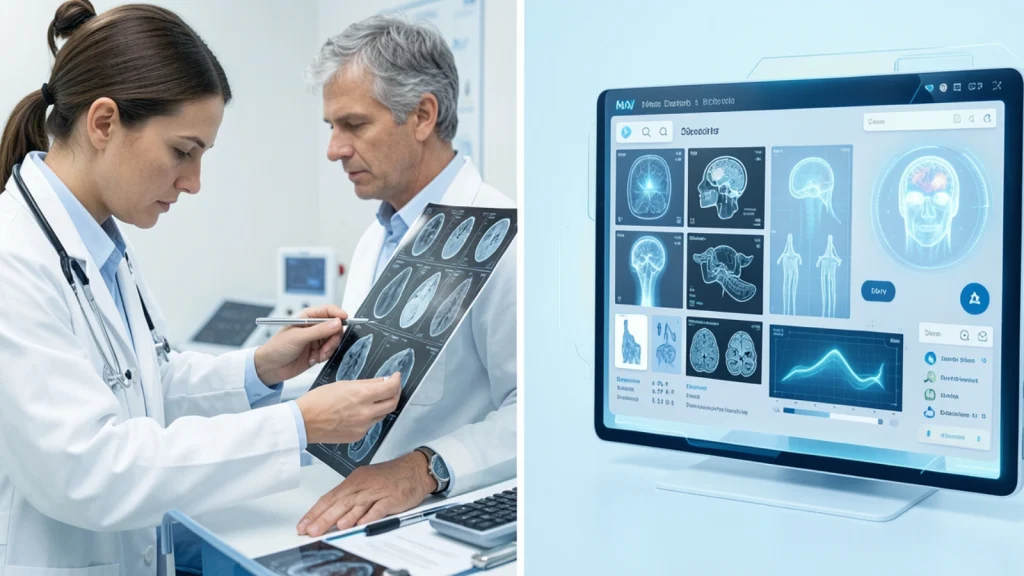
Medical image analysis remains one of the most common and most mature uses of AI in healthcare. Radiologists reviewing hundreds of scans a week are supported by algorithms trained to spot microscopic fractures, early-stage lung nodules, and small breast cancer tumors, often flagging findings before they would otherwise be caught in a routine first pass.
The regulatory record reflects just how far this category has grown. As of early 2026, the FDA’s AI-Enabled Medical Device List had passed roughly 1,500 authorized devices, with radiology accounting for more than three-quarters of that total, by far the largest single category of AI clearances in medicine.
For patients, the value of this technology is measured in something more consequential than convenience. Early detection of a tumor, a fracture, or a vascular blockage frequently marks the line between a routine treatment plan and a far more serious, late-stage diagnosis. Computer vision does not replace the radiologist’s judgment, but it does act as a tireless second set of eyes, especially valuable on the busiest, highest-volume reading days.
Technology is only part of the equation. Explore Patient Experience: 15 Proven Ways To Improve Healthcare Quality to learn how healthcare providers can deliver better care at every touchpoint.
3. Shifting to Proactive Care Through Continuous On-Body Predictive Monitoring hospital
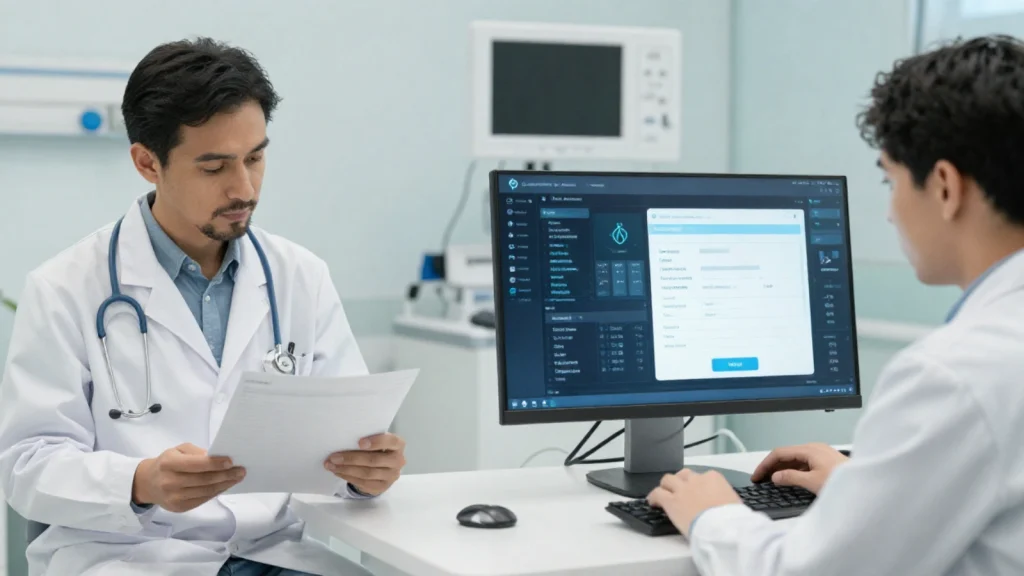
Healthcare has traditionally operated on a react-and-rescue model: a patient’s condition worsens, they come to the hospital management, and care begins. AI-powered wearables are helping shift that model toward something more preventive, sometimes called a prevention-first operating model, where warning signs are caught days or weeks before a crisis.
Wearable devices paired with edge AI, meaning the data is processed locally on the device itself rather than sent to the cloud first, can now track heart rhythm, blood oxygen, and glucose levels continuously. Because the analysis happens on-body, a smart patch can flag a dangerous arrhythmia the moment it begins, without waiting on a network connection or a scheduled check-in.
For patients managing chronic conditions such as heart disease or diabetes, this kind of continuous monitoring can be the difference between a manageable adjustment to medication and an emergency room visit. Health systems piloting these programs have reported reductions in hospital readmission rates of up to 20% among monitored patients, a meaningful outcome both for patient wellbeing and for the cost of care.
4. Redefining Patient Onboarding and Digital Triage Tools
The first few minutes of a patient’s interaction with the Future healthcare system, filling out intake forms, describing symptoms, waiting to be routed to the right provider, have historically been slow and generic. AI-driven intake engines are changing that by asking dynamic, adaptive questions based on a patient’s actual responses rather than a static checklist.
Major health systems have moved quickly on this front in 2026. The NHS App’s AI triage tool and Penn Medicine’s rollout of AI-powered intake agents are two prominent examples of this approach reaching everyday patients at scale.
Done well, digital triage directs a patient to the right level of care the first time, whether that means an emergency department, an urgent care visit, a pharmacy consultation, or a routine appointment with a general practitioner. That single improvement in routing has a ripple effect across the entire system, cutting wait times not just for the patient being triaged but for everyone else in the queue behind them.
5. Accelerating Drug Discovery to Deliver Life-Saving Therapeutics Faster
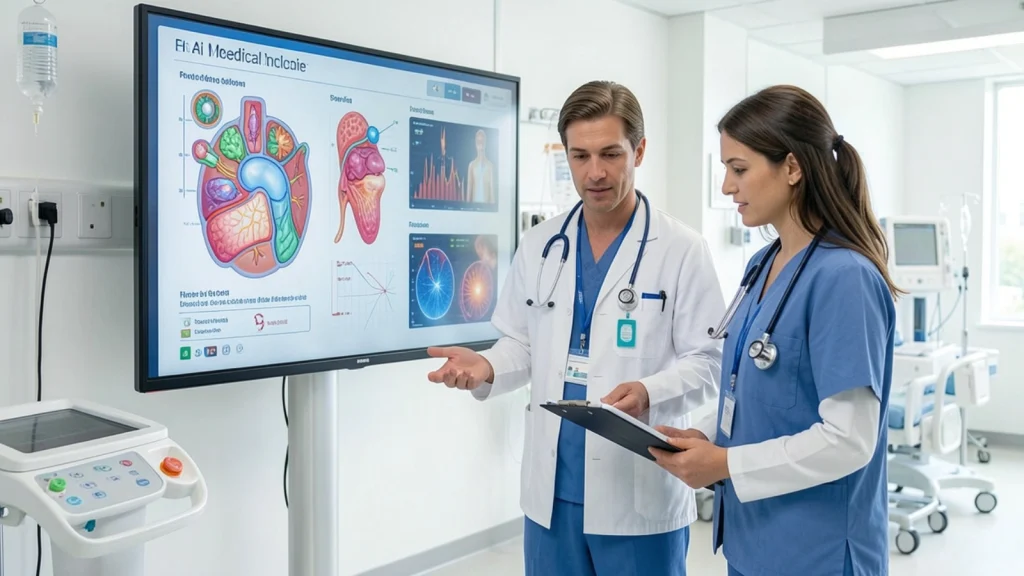
Traditional drug development is notoriously slow and expensive, often taking more than a decade and requiring billions of dollars, much of it spent on compounds that ultimately fail in clinical trials. Generative chemistry engines are beginning to compress that timeline by simulating enormous numbers of molecular combinations and predicting efficacy and side effects computationally, before a single physical trial begins.
Partnerships between technology companies and pharmaceutical developers, including collaborations that pair providers like GE HealthCare with major cloud infrastructure from AWS, are putting massive GPU clusters to work modeling these molecular interactions at a scale that would have been unthinkable a decade ago.
The clearest beneficiaries of this shift are patients with rare or previously untreatable conditions. Orphan drugs, treatments developed for small patient populations that traditionally struggled to attract investment, are becoming more viable to research and bring to market once the cost and time of early-stage discovery drop. Faster discovery pipelines mean patients with rare diseases may no longer have to wait a generation for a viable treatment option.
Addressing the Hurdles: Ethics, Governance, and Data Privacy
None of this progress erases the very real questions that come with it. A human-in-the-loop mandate remains central to responsible deployment: AI should function as a supportive co-pilot, while the definitive clinical decisions stay with human doctors who carry both the training and the accountability for patient outcomes.
- Data privacy and compliance: healthcare AI tools must navigate strict frameworks such as HIPAA in the United States and GDPR internationally, both of which govern how patient data can be collected, stored, and used.
- Algorithmic bias: training datasets need to reflect diverse patient populations, or the resulting tools risk delivering less accurate outcomes for the very groups that already face healthcare disparities.
- Transparency and evidence: regulators have noted that the pace of new AI clearances has at times outrun the pace of published clinical evidence, a gap that health systems and regulators are actively working to close.
How MedCore Puts AI Into Everyday Healthcare Operations
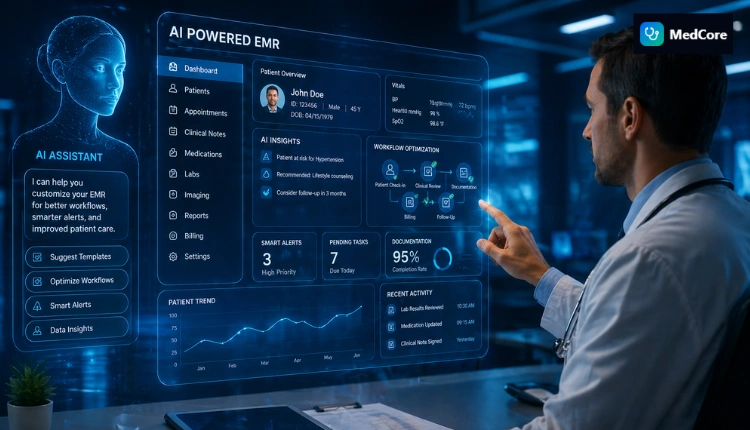
AI is most valuable when it fits naturally into daily clinical workflows instead of adding another tool to manage. MedCore is an AI-native hospital operating system designed for Indian clinics and hospitals that combines patient management, clinical documentation, billing, automation, and communication on a single platform. Rather than offering isolated AI features, it connects every stage of the patient journey, helping healthcare teams reduce administrative work while improving patient care.
Key Features
- Ambient AI SOAP Scribe – Automatically generates structured clinical notes during consultations.
- AI Voice Receptionist – Handles appointment bookings, patient inquiries, and call routing 24/7.
- AI Triage – Supports symptom assessment in 8 Indian languages and directs patients to the right care.
- AI Radiology Drafting – Creates draft radiology reports with confidence scores for faster review.
- Claims Auto-Drafting – Converts clinical notes into insurance claim drafts, reducing manual work.
- Predictive Analytics – Identifies no-shows, forecasts pharmacy demand, and supports clinical decision-making.
- Patient Engagement Automation – Sends appointment reminders, follow-ups, and notifications via WhatsApp, SMS, email, and voice.
- Integrated Hospital Management – Combines EHR, billing, pharmacy, lab, HR, finance, and patient mobile apps into one platform.
- ABDM & FHIR Ready – Supports Indian healthcare standards, interoperability, and secure data management.
- Indian Data Residency – AI processing and multilingual transcription stay within India for DPDP compliance.
Conclusion: Embracing the Future of AI-Driven Patient Outcomes
The use of AI in healthcare is not about substituting the clinicians patients rely on; it is about empowering them. By absorbing the data-heavy and administrative burdens that have quietly overwhelmed modern medicine, artificial intelligence in healthcare is helping the profession return to its most basic principle: human beings taking care of human beings, supported by tools sharp enough to catch what might otherwise be missed.