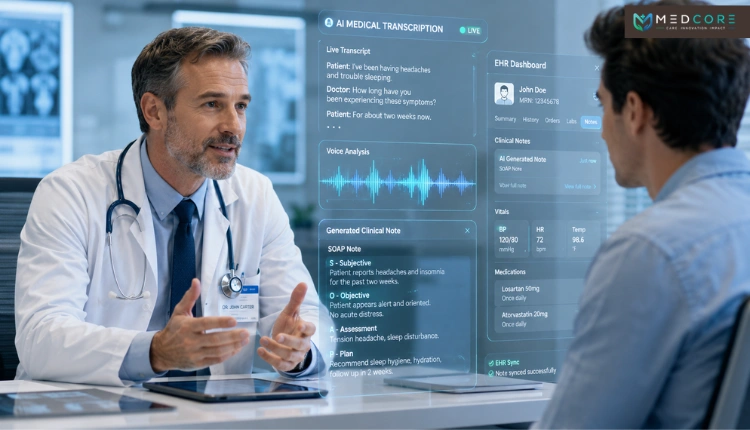

Get started in 3 days → to set up opd queue management and appointment scheduling without calling an IT person, so you can go deeper without extra overhead.
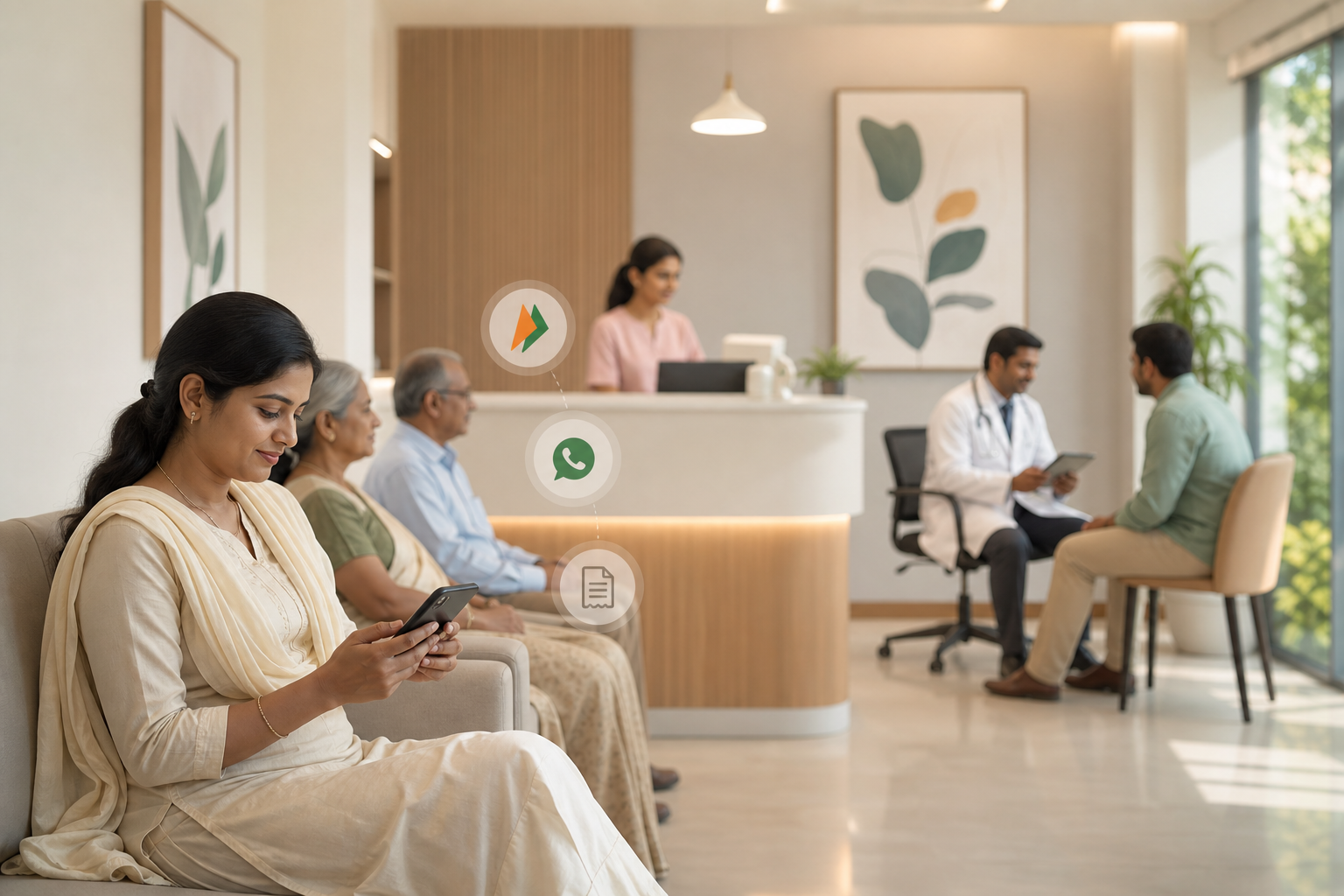
At-a-glance trust and compliance
MedCore is built for India-first clinics that need clarity on trust. The platform is compliant with the DPDP Act 2023 and is ABDM/ABHA-ready with India data residency, so records stay in-country and future integrations are smooth. Messaging is DLT-compliant across SMS and WhatsApp, and UPI/Razorpay payments flow inside the same visit journey without extra tools. Just as importantly, the product is co-designed with clinicians across OPD, pharmacy, lab, and billing modules, so operational fit comes first, not afterthoughts.
- Trust signals you can verify today:
- DPDP Act 2023 compliance for lawful processing and consent
- India data residency to keep PHI in-country
- ABDM/ABHA readiness and standards support (FHIR R4, HL7 v2 inbound)
- DLT-compliant SMS/WhatsApp messaging with registered templates
- UPI and Razorpay payments integrated into the same OPD flow
- Co-designed with clinicians across OPD, pharmacy, lab, and billing modules
Why Small Clinics in India Still Struggle with OPD Queues and Appointments
If you’re weighing opd queue management and appointment scheduling for a small clinic in India, you already know the daily pattern. By noon, your waiting room is full. Walk-ins arrive in bursts.
Booked patients show up late. The phone won’t stop ringing. You know the pattern because you live it.
Across a typical solo or two-doctor clinic, two front-desk staff may juggle 60–150+ OPD patients daily without a proper digital token system. A single paper register is forced to play multiple roles at once: appointment book, billing ledger, and rough triage sheet. In that environment, average waits stretch 30–45 minutes, and on tough days it’s longer, with the line order constantly shifting under pressure.
Where the chaos starts
In this chaos, walk-ins and bookings clash. A booked patient who comes late can derail ten walk-ins. Without a live queue, everyone asks the same question: “Kitna time lagega?” Your staff guesses. Then they guess again when the line shifts.
Moreover, 80% of facilities still work on fragmented workflows. One app for messages. Another for billing. A third notebook for tokens.
That split adds clicks and errors. It also adds stress. The doctor ends up announcing token numbers between consults. It’s not a good use of skill or time.
- Quick symptoms of queue chaos you can spot in minutes:
- Patients repeatedly asking, “Which number am I on?” or “How much longer?
- Booked patients and walk-ins disputing order due to lack of visibility
- Front-desk switching between apps for billing, reminders, and tokens
- Doctor interruptions to clarify token order during peak hours
The hidden costs of manual juggling
As a result, the cost of inaction keeps rising for small clinics. Patients are far more likely to leave if waits feel unclear or unfair, and those that do stay often memorialize the experience in negative Google reviews about “long lines” and “no updates.” Over weeks and months, the pressure shows up inside the clinic too: staff morale dips, sick days rise, and hiring or retaining dependable front-desk help gets harder. Meanwhile, the market reality is that 75% of Indian outpatient setups remain underserved by clinic tech that fits solo workflows. You probably don’t need a heavyweight hospital HMS; equally, a token-only app that ignores billing and compliance is a dead-end.
Therefore, this page focuses on what actually reduces the wait room crunch: clear opd queue management and appointment scheduling that merges walk-ins with bookings, shows live tokens to patients, and keeps your phone free for genuine issues, not “Which number am I?
A visible, fair queue stops the constant “Kitna time lagega?” loop and returns control to both staff and patients.
What changes when the queue is visible
When patients can see their place in line, everything feels calmer. A mother can check token status on her phone and do a school pickup instead of waiting 40 minutes in a crowded area. Your receptionist can bill with GST in the very same screen used to generate tokens, removing re-entry and end-of-day reconciliation panic. And you, glancing up between consults, can see that the queue is smooth with no need to become the token announcer yourself.
For a step-by-step primer you can share with staff, bookmark this guide on OPD management.
- Immediate benefits clinics report after adding a live token board:
- Fewer “How long?
- Smoother triage for vulnerable patients with transparent fast-tracking
- Cleaner end-of-day billing because visits, invoices, and payments stay linked
- Less crowding in the waiting area as patients self-time their arrival
Also Read!
Best Patient Engagement WhatsApp Reminders for Small Clinics in India — 2026
How to Set Up OPD Queue Management and Appointment Scheduling for Medical Tourism Hospitals in India
What to Look for in OPD Queue Management Software for a Solo Clinic
You don’t have an IT team. You have OPD tomorrow. So the right choice must work fast, in India, with your current flow. Use this checklist as your buying guide. We’ll keep it honest and practical, and we’ll mention “opd queue management and appointment scheduling” where it matters.
Buyer checklist (make sure every box is ticked)
-
First, demand a real-time token display patients can check on their phone. Waiting rooms overflow when people can’t self-check status. A live token board, both on a TV and on mobile, cuts “How long?” questions by half. Ask for a shareable link or QR your staff can hand to walk-ins on arrival.
-
Second, your tool must merge walk-ins and online bookings. Most solo clinics cannot go “appointment-only.” The system should assign tokens to walk-ins, hold slots for booked patients, and show one live queue to everyone. Bonus if you can fast-track emergencies without breaking the list.
-
Third, WhatsApp/SMS reminders must be DLT-compliant. India mandates header templates and registration. Non-compliant texting risks blocks and fines. The tool should handle templates and sender IDs so your messages land. Prefer solutions that include message logs and opt-out handling.
-
Fourth, keep billing in the same flow as your queue. GST-aware invoicing, UPI, and Razorpay links should sit right where your staff creates a token or marks a visit. Tool-switching causes errors and delays. Tight coupling with prescriptions and lab orders prevents end-of-day reconciliation headaches.
-
Fifth, make language a first-class feature. Patients and staff may prefer Hindi or a regional language. Voice bots, triage chat, and patient messages should support Indian languages, not just English. Clear language support reduces front-desk translations and misunderstandings.
-
Sixth, avoid per-user pricing. Variable costs force you to ration logins. A flat clinic fee lets the doctor, receptionist, and nurse use the system without counting seats. It also prevents surprises when you add a part-time locum.
-
Seventh, insist on self-serve setup. You should be live in days, not months. A guided wizard should cover hours, slot durations, token display, and WhatsApp setup without a site visit. Look for parallel-run support so you can test without disrupting today’s OPD.
-
Eighth, ask about ABDM/ABHA readiness. You may not link today, but India’s health stack is moving fast. Future-ready tools support FHIR R4 and HL7 v2, so records can flow when you need them to. This protects you from re-platforming later.
To recap, the right system delivers a real-time token view on both mobile and a TV screen, unifies walk-ins with bookings in a single live list, and sends DLT-compliant WhatsApp/SMS reminders that actually reach patients. It should keep GST-aware billing tied to tokens with UPI/Razorpay built into the same workflow, while also supporting Indian languages for staff and patients who prefer them. Pricing should be flat, not per-user, and onboarding should be self-serve so you can finish it this week. Finally, ABDM/ABHA readiness with FHIR/HL7 support ensures you don’t hit a technical ceiling as India’s health stack evolves.
Hardware and network checklist for OPD
- Display: Any Android TV, smart TV, or tablet with a modern browser for the live token board
- Connectivity: Stable broadband or 4G; set up a backup hotspot for peak hours
- Power: A small UPS for the front-desk workstation and token display prevents resets mid-OPD
- Printer: GST-compliant invoice printer (thermal or A4) connected to the same workstation
- QR stands: Printed QR codes at entry and billing to open the live queue and payment links
Quick buyer tip on compliance and messaging
Compliance for messaging and interoperability is not optional in India. DLT registration is mandated for SMS senders, so confirm your vendor manages approved templates and headers; see the Telecom Regulatory Authority at trai. gov. in for a policy overview and references. For ABDM and ABHA specifics, including how linking and consent work, the National Health Authority provides guidance at [abdm. gov.
in](https://abdm.gov.in), which will help you plan ahead without committing before you’re ready.
Shortlist with a one-page “must-have” list, then run a one-day shadow test against your current OPD before you commit.
Also Read!
Best Hospital Billing with GST and Insurance Claims for Multi-Specialty Hospital Chains in 2026
How MedCore Solves OPD Queue Chaos for Small Clinics
You validated the checklist. Now, here’s how MedCore maps to each item with one connected flow for opd queue management and appointment scheduling, built for solo clinics.
Live OPD queue patients can trust
Start with the live OPD queue. MedCore assigns tokens to walk-ins and merges them with booked slots. Patients see their place on a branded mobile app with live updates. In clinics like Greenleaf Care, this alone cut front-desk calls by half. As Shalini Kumar shared, “The patient mobile app reduced our front-desk calls by half in the first month.
- What patients see:
- Live token status and estimated time to consult
- Clear indication when they’re next in line
- Optional WhatsApp nudges when their token is called
Unified online + walk-in appointments in one list
Next, online + walk-in appointments run in one queue. Your receptionist doesn’t juggle tabs. Booked patients hold a window. Walk-ins get an instant token. The display screen updates in real time, and the doctor view flags vulnerable cases so you can fast-track a child with fever or an elder in distress.
24/7 AI Voice Receptionist in 8 Indian languages
Now, let’s talk phones. MedCore’s AI Voice Receptionist answers 24/7 in 8 Indian languages. It handles FAQs, captures symptoms, and books appointments while your staff focuses on in-person care. For clinics where the doctor is also the part-time receptionist, this agent gives you back hours each week and stops missed calls from turning into missed patients.
Reminders, DLT compliance, and predictions
Reminders are built-in and DLT-compliant. You can send WhatsApp updates for confirmations, token calls, and follow-ups. A predictions agent adds no-show scoring, so staff can double-confirm high-risk slots in seconds. Over time, it also forecasts pharmacy demand, helping you stock what patients will actually need.
“The WhatsApp reminders and live queue together meant far fewer ‘Where is my turn?’ calls.” — Front-desk summary from Greenleaf Care
Billing that flows with care (not against it)
Billing flows with care, not against it. MedCore’s GST-aware invoicing, Razorpay, and UPI links sit in the same screen where tokens live. The receptionist generates a token, records vitals, and finishes billing without leaving the OPD workflow. That means no exports, fewer typos, and faster closes at the end of the day.
Fast setup, flat pricing
Setup doesn’t need an IT team. A self-serve onboarding wizard walks you from registration to first OPD in days. You’ll configure hours, slot durations, token display, and WhatsApp in a guided flow. Pricing is flat for clinics from ₹9,999/mo, no per-user or per-doctor fees.
Measured outcomes from real clinics
Finally, results matter. Dr. Meera Rao saw it firsthand: “Our OPD wait time dropped from 40 minutes to 12. The live token display alone was worth the switch.” Dr. Rao’s team also noted fewer missed calls as patients began self-checking status on the app and display.
Feature-to-checklist map at a glance
MedCore’s real-time queue keeps tokens visible everywhere, complete with vulnerability flags so critical cases can be fast-tracked transparently. Online bookings and walk-ins share one live list, which means the receptionist never has to reconcile two sources of truth. WhatsApp reminders ride on DLT compliance by default, and billing is GST-aware with Razorpay and UPI right in the same OPD flow.
Beyond the operational core, the system includes a predictions agent for no-show scoring and pharmacy forecasts, along with a self-serve onboarding wizard that gets you live in days. Pricing starts flat from ₹9,999/mo without per-user add-ons, so the doctor, receptionist, and nurse can all log in freely. Patients use a branded app to check live tokens, view lab reports, scan QR prescriptions, and pay bills, keeping your front desk focused on care, not constant status updates.
Book a quick demo today → MedCore focuses on flat pricing, AI agents that answer phones, and a queue-first OPD flow. Per-user fees and heavy setup often slow HMS tools for small clinics. Meanwhile, standalone token apps lack billing, patient records, or ABDM readiness, so you run into fragmented workflows again.
“We replaced three tools with MedCore. Billing, pharmacy and lab now talk to each other without exports.” — Ravi Prasad, Administrator, Sunrise Clinic
| Criteria | MedCore | Generic HMS Platforms | Standalone Token Apps |
|---|---|---|---|
| Pricing Model | Flat per-month; no per-user fees | Per-doctor or per-user fees | Low monthly fee |
| Queue + Scheduling | Unified walk-in + online with live tokens | Varies; add-ons or complex setup | Tokens only; basic scheduling |
| AI Voice Receptionist | 24/7, 8 Indian languages | Rare or third-party | Not included |
| WhatsApp Integration | Built-in; DLT-compliant | Varies; needs setup | Limited or absent |
| GST Billing | In the same OPD flow with UPI/Razorpay | Available; may be separate module | Not included |
| Patient App | Branded app with live tokens, lab reports, QR Rx, bill pay | Varies | Not included |
| Indian Language Support | Yes (8 languages, triage + voice) | Partial | Minimal |
| ABDM Readiness | ABHA linking + FHIR R4 + HL7 v2 inbound | Varies; project-based | No |
| Onboarding Time | Self-serve; live in days | Weeks; IT support needed | Fast |
If your only goal is a token number on a screen, a standalone app may be cheaper. However, if you also need billing, prescriptions, and records in one place, an integrated system removes the fragmentation that slows OPD every single day.
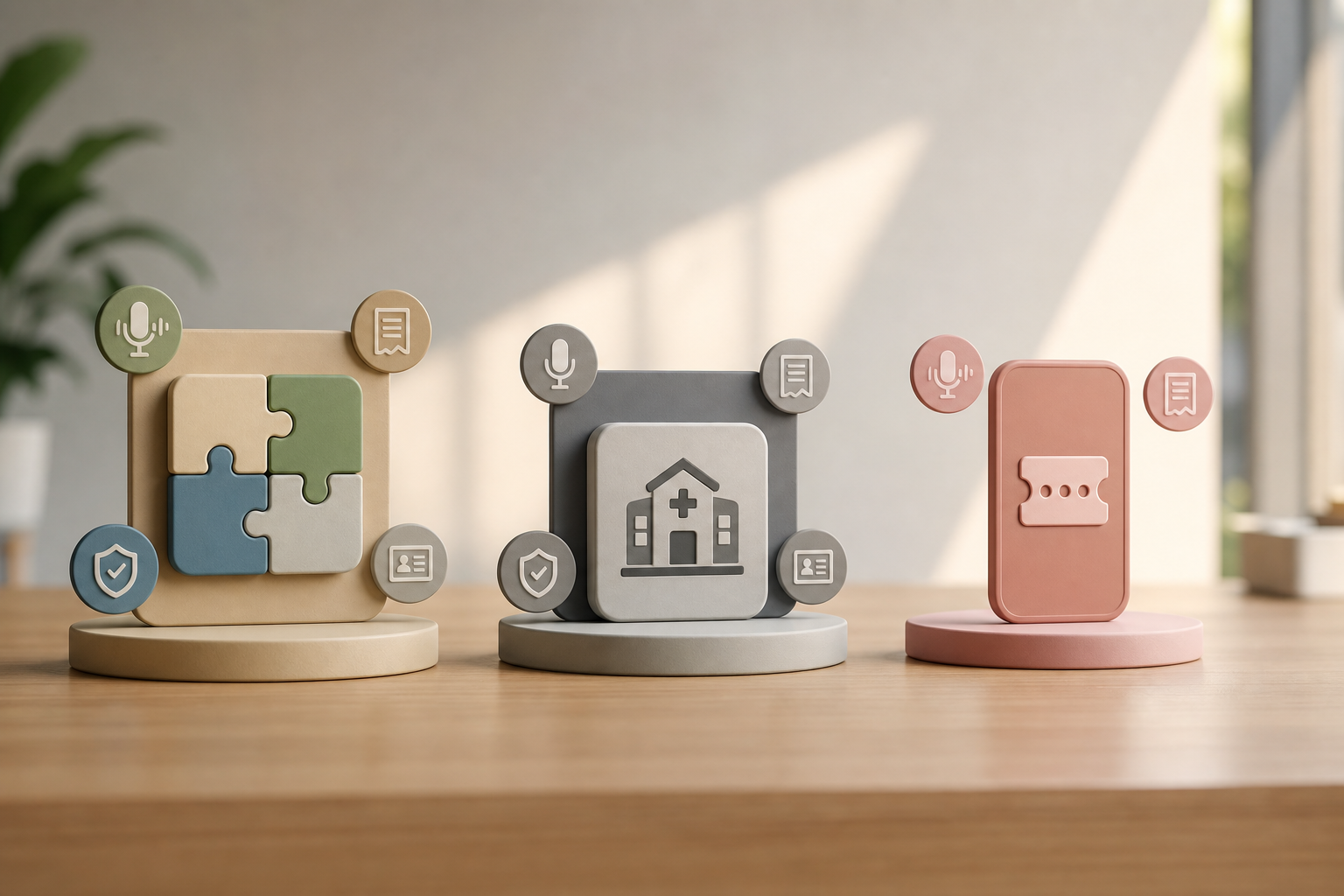
How this differs from popular tools
Compared to Practo or HealthPlix, which often prioritize discovery or EMR and charge per-doctor, MedCore emphasizes in-clinic flow with flat monthly pricing and a 24/7 AI voice receptionist built-in. Unlike standalone token counters or WhatsApp-only workflows that stop at showing a number, MedCore connects tokens to billing, prescriptions, lab, and pharmacy, so OPD runs end-to-end without exports.
Trust, Compliance, and Security for Indian Healthcare Data
Trust starts with Indian law. MedCore is compliant with the Digital Personal Data Protection (DPDP) Act 2023 for lawful processing, consent, purpose limits, and breach response. For background, see the Digital Personal Data Protection Act 2023 at indiacode. nic.
in.
ABDM and ABHA linking are supported so your clinic is future-ready. Interoperability uses FHIR R4 and HL7 v2 inbound, which means your records can move when you need to refer or coordinate with a hospital or lab. SMS is DLT-compliant, and data residency is in India.
Beyond compliance labels, the product was built with input from clinicians, 45 modules shaped with doctors, nurses, and administrators. This isn’t a generic SaaS refitted for healthcare. It is an AI-native system with a unified EHR that serves the 75% of the Indian market long underserved by enterprise-first tech.
Furthermore, security is a practice, not a checkbox. MedCore maintains tenant-scoped EHR records with shared state across billing, lab, and pharmacy, so teams see the same truth without exports. Audit trails track agent hand-offs and changes. And uptime is designed for 24/7 operations, because your OPD can’t pause for a backend reboot.
Security in practice: quick view
- Tenant-scoped EHR with unified state across OPD, lab, pharmacy, and billing
- DLT-compliant messaging for SMS/WhatsApp delivery reliability
- India data residency to meet local regulatory expectations
- Standards-based interoperability (FHIR R4, HL7 v2 inbound) for referrals and lab integrations
- Audit trails to track changes and agent hand-offs across your clinic journey
Trust signals and proof you can share
Security and compliance are explicit: DPDP Act 2023 compliance, India data residency, DLT-compliant SMS/WhatsApp, and ABDM/ABHA readiness with FHIR R4 and HL7 v2 inbound are built into the product. Clinics also report tangible wins in the field; “Our OPD wait time dropped from 40 minutes to 12,” notes Dr. Meera Rao, while Shalini Kumar adds, “The patient mobile app reduced our front-desk calls by half in the first month.” These testimonials sit alongside operational proof points like unified modules for billing, lab, and pharmacy that reduce exports and handoffs. Together, hard compliance guarantees and clinician-reported outcomes make a stronger case than features alone.
Compliance snapshot you can share with your auditor
- DPDP Act 2023 compliance
- ABDM/ABHA linking readiness
- FHIR R4 and HL7 v2 inbound
- DLT-compliant SMS
- India data residency
Also Read!
How to Set Up WhatsApp Patient Reminders for Your Small Clinic in India
How to Get Started: From Sign-Up to First OPD in 3 Days
Moving to digital can feel heavy. It doesn’t have to. Here’s a simple path you can follow this week for smooth opd queue management and appointment scheduling.
Step 1: Register via the self-serve onboarding wizard. No IT team needed. Create your clinic profile and user logins.
Step 2: Configure your OPD schedule. Set doctor availability, break times, and slot durations. Keep shorter slots for walk-ins during peak hours, and longer slots for complex follow-ups.
Step 3: Set up the token display. Use any Android tablet or TV with a simple browser link. Place the screen where patients can see it when they enter.
Step 4: Enable WhatsApp reminders. Connect your clinic’s WhatsApp Business number and select DLT-approved templates for confirmations, token calls, and follow-ups. The Starter plan includes 1,000 WhatsApp messages/month.
Step 5: Download and brand your patient-facing app. Patients can track live tokens, see lab reports, and scan a QR for prescriptions and bill pay on Android/iOS.
Step 6: Run a one-day parallel test. Keep your manual register for a day while the system runs in shadow mode. Fix small gaps, then go fully digital from the next morning.
- Tip: Share a short script with staff: “Your token is live on the TV and in the app. You’ll also get a WhatsApp update.
Step 7: Do a same-day close with both systems for one evening. Verify that token counts, invoices, and digital payments match your register totals. Once aligned, remove the manual double-entry.
- Go-live checklist:
- Print and place QR stands at entry and billing
- Test one emergency fast-track and confirm it logs transparently
- Send yourself a sample confirmation and token-call WhatsApp
- Print a sample GST invoice and verify clinic header details
Start setup, no IT needed → Emergency fast-tracking is supported without breaking the overall order. The doctor view highlights these cases so the team can act quickly and consistently.
FAQ: OPD Queue Management and Appointment Scheduling in India
-
What is the difference between a token queue and appointment slots?
-
A token queue assigns a position to any walk-in as they arrive, while appointment slots are pre-booked time windows. The right system merges both into one live list so you can honor bookings and still move walk-ins efficiently.
-
How does DLT compliance affect WhatsApp/SMS reminders?
-
India mandates DLT registration and approved templates for business messaging. A compliant system handles templates and sender IDs so your confirmations, token calls, and follow-ups are reliably delivered without blocks or penalties.
-
Can I fast-track emergencies without upsetting the queue?
-
Yes. You can mark vulnerable cases (for example, infants with fever or elders) to bring them forward. The queue reorders intelligently and logs the change so transparency is maintained without breaking overall order.
-
Do I need special hardware to run the live token display?
-
No. Any Android TV, smart TV, or tablet with a modern browser works. Place it at the entrance so patients can self-check status. A small UPS for the front desk prevents mid-OPD resets during power flickers.
-
How long does setup really take for a solo clinic?
-
Self-serve onboarding means you can go from registration to first OPD in days. Configure hours, slot durations, token display, and WhatsApp, then run a one-day parallel test before going fully digital.
-
Is billing integrated with the queue and appointments?
-
Yes. GST-aware invoicing and UPI/Razorpay payment links live in the same screen where tokens and visits are managed. That reduces errors and speeds up end-of-day reconciliation.
-
Will the system support Indian languages for patients and staff?
-
Yes. Voice and triage flows support Indian languages (not just English), which cuts front-desk translations and improves clarity for patients.
-
Is my data stored in India, and does it support ABDM/ABHA?
-
Yes. Data residency is in India, with ABDM/ABHA readiness and FHIR R4/HL7 v2 inbound so your clinic is future-ready for interoperability.
-
How is pricing structured for small clinics?
-
Pricing is flat (no per-user or per-doctor fees), so you don’t have to ration logins as your team grows or when you add a locum. This aligns with solo-clinic realities and predictable monthly costs.
-
What happens if WhatsApp is down or a message fails?
-
You still have the live token display and in-app updates. Message logs help you retry or switch to SMS where appropriate, keeping patients informed through multiple channels.
Key Takeaways
A single, unified queue that blends walk-ins and bookings reduces wait times and stops front-desk chaos, especially when patients can track live tokens on their phones instead of calling to ask, “How long?” When billing, WhatsApp reminders, and a patient app all live inside the same OPD flow, you save minutes on every visit and hours by day’s end because staff avoid duplicate entry and last-minute tallying. And in 2026, the safest bet for a small clinic in India is to pick tools that are DLT-compliant for messaging, GST-aware for billing, UPI-ready for payments, supportive of Indian languages, and ABDM/ABHA-ready for the future of interoperable care.
See pricing and inclusions →