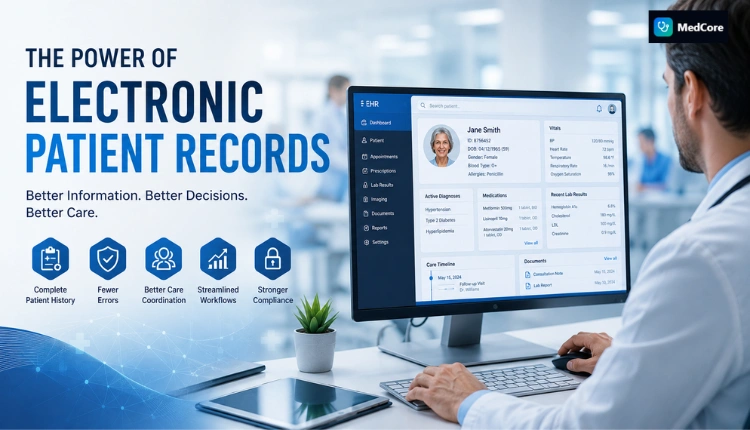

Most healthcare organizations say they prioritize patient centered care, yet patients still complain about rushed appointments, confusing communication, and fragmented experiences. The gap usually is not intention. It is execution.
That matters more than ever now. Reimbursement models increasingly reward outcomes, patient satisfaction, and continuity of care. At the same time, staff burnout and administrative overload make meaningful patient interaction harder to sustain. A modern healthcare management platform can help, but technology alone does not fix a disconnected care experience.
Read Aloud!
What Patient Centered Care Actually Means Beyond the Buzzword
At its core, patient centered care means treating patients as active participants in their healthcare journey instead of passive recipients of treatment.
A simple way to define it is this: patient centered care is a healthcare model that respects each patient’s preferences, values, and needs while involving them in every major care decision.
That sounds straightforward. In practice, many hospitals reduce it to satisfaction surveys or scripted bedside interactions. Real implementation runs deeper.
The PICKER Institute identifies eight dimensions of effective care, including emotional support, physical comfort, coordination, family involvement, continuity, access, communication, and respect for patient preferences. Facilities that consistently perform well usually operationalize these principles instead of treating them as cultural slogans.
The business impact is difficult to ignore. Better communication and coordinated care often lead to stronger HCAHPS scores, fewer readmissions, and improved care adherence. Under value-based reimbursement models, those outcomes directly affect revenue.
A strong patient centered approach in healthcare also changes how teams think. Instead of asking, “What treatment fits this diagnosis?” clinicians begin asking, “What care plan works best for this person?”
Why Many Patient Centered Care Initiatives Fail

The biggest barrier to this care model is not resistance to the idea. Most clinicians already believe in it. The problem is that many organizations try to implement it without changing operations.
Leadership may announce a new initiative, run a workshop, and expect culture to shift automatically. Three months later, staff are still buried in paperwork and disconnected systems.
That frustration is common.
A 2024 Google Cloud and Harris Poll report found that clinicians spend nearly 28 hours each week on administrative tasks instead of patient interaction. When teams are overwhelmed, empathy becomes harder to sustain consistently.
Fragmented systems create another problem. A nurse may not see updated discharge instructions. A specialist may lack access to patient history from another department. Even committed staff struggle when workflows break communication.
Technology can unintentionally worsen the issue, too. Poorly integrated systems create more clicks, more duplication, and more delays. This is why many healthcare organizations are moving toward integrated AI hospital management software instead of isolated tools.
The 7-Step Framework for Implementing Patient Centered Care Effectively
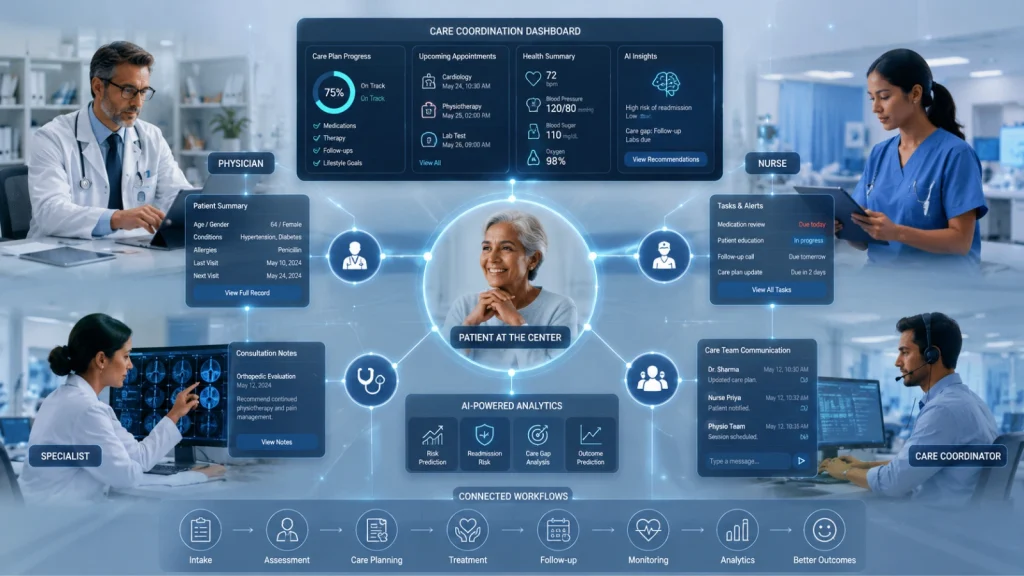
Successful implementation usually follows seven operational steps:
- Secure leadership buy-in
- Redesign care protocols around patient preferences
- Train staff for communication skills
- Improve care coordination
- Empower patients with participation tools
- Implement supportive technology systems
- Measure outcomes continuously
Step 1: Secure Leadership Buy-In
Without executive support, patient-centered initiatives lose momentum quickly.
Administrators need to connect implementation goals to measurable outcomes like readmission rates, reimbursement performance, patient retention, and HCAHPS improvement. When leadership treats patient experience as an operational priority rather than a branding exercise, teams respond differently.
Step 2: Redesign Care Protocols Around Patients
Traditional care models focus heavily on diagnosis and procedure efficiency. Patient centered care shifts attention toward individual needs, communication preferences, cultural context, and family involvement.
For example, discharge planning becomes more effective when patients actually understand medication instructions and follow-up expectations. That sounds basic, yet many readmissions happen because instructions were confusing or rushed.
Step 3: Train Staff for Communication, Not Just Compliance
Communication is often treated like a soft skill people either naturally have or do not. In reality, it can be trained systematically.
Techniques like motivational interviewing, teach-back methods, and plain-language education help clinicians confirm understanding instead of assuming it.
This matters because confusion frequently looks like noncompliance. A patient may not ignore instructions intentionally. They may simply not understand them fully.
Step 4: Break Down Care Silos
Care coordination is one of the most overlooked parts of patient centered care.
When departments operate independently, patients feel the fragmentation immediately. They repeat medical histories, wait for updates, and receive inconsistent information from different providers.
Interdisciplinary coordination changes that experience. Shared access to care plans, centralized communication, and coordinated discharge workflows reduce delays and improve continuity.
Step 5: Give Patients More Control
Patients engage more actively when they have visibility into their care journey.
Digital portals, appointment management systems, secure messaging, and educational tools help patients participate instead of waiting passively for information. Even simple features like automated reminders improve adherence significantly.
This is where an AI patient care management system becomes valuable. It can personalize follow-ups, identify at-risk patients, and automate outreach without increasing staff workload.
Step 6: Use Technology That Reduces Friction
Technology should remove operational burden, not add another administrative layer.
Many older systems force clinicians to spend more time documenting than interacting with patients. That creates frustration on both sides of the exam room.
Modern AI hospital management software helps automate repetitive tasks, surface relevant patient insights, and improve communication across departments. Natural language documentation tools, predictive analytics, and centralized workflows allow clinicians to spend more time focusing on care itself.
An integrated healthcare management platform also improves visibility. Everyone involved in the patient journey can access consistent information in real time.
Step 7: Measure What Actually Matters
Many organizations skip measurement because culture feels difficult to quantify. That is a mistake.
Strong patient centered care programs track both clinical and experience metrics, including:
- HCAHPS and CAHPS scores
- Readmission rates
- Care plan adherence
- Appointment follow-through
- Patient engagement metrics
Without feedback loops, improvement stalls quietly.
Read More!
How To Choose The Best Ehr Systems For Your Hospital ?
Top 10 Benefits of Hospital Information Systems (HIS)
What Patient Centered Care Looks Like in Practice
A hospital ICU team redesigned daily rounds to include family participation and simplified care explanations. Families reported lower anxiety, and discharge planning became smoother because expectations were clearer earlier.
A multi-specialty outpatient clinic introduced digital check-ins and secure messaging through its healthcare management platform. Phone wait times dropped, while patients gained more flexibility over scheduling and follow-up communication.
Another primary care network used an AI patient care management system to monitor chronic disease patients between visits. Automated alerts identified patients at risk of complications, allowing care teams to intervene earlier and reduce emergency admissions.
These examples work because they combine operational systems with human-centered processes.
The Role of Technology in Modern Patient Centered Care
Many clinicians want to provide better care experiences but feel trapped inside administrative workflows.
This is why technology has become central to modern healthcare experience discussions. The goal is not to replace clinicians. It is protecting their time and attention.
Integrated AI hospital management software helps unify clinical, administrative, and patient-facing workflows into one connected system. Instead of switching between disconnected tools, teams can coordinate care more efficiently.
Several AI-powered features directly support patient-centered models:
- Predictive analytics for early intervention
- Automated follow-up reminders
- Risk stratification for proactive outreach
- Real-time care coordination
- AI-assisted documentation
Research increasingly supports this direction. Recent healthcare studies highlight how AI-driven workflow optimization improves efficiency while supporting more personalized care delivery.[1]
Still, technology must remain patient-centered itself. Patients want transparency around data access, communication, and decision-making support. Trust matters as much as efficiency.
How Medcore Supports Patient Centered Care
Implementing patient centered care at scale requires more than policy changes. Teams need systems that support coordination consistently.
Medcore is designed for healthcare administrators, hospital owners, and clinic managers who want to operationalize patient-centered workflows across their facilities.
Its platform includes:
- An AI patient care management system that surfaces real-time patient insights
- Integrated coordination tools that reduce communication gaps
- Automated administrative workflows that reduce clinician burden
- Appointment management and patient engagement features
- Analytics dashboards for outcome tracking and HCAHPS monitoring
- Infrastructure designed to support value-based care initiatives
The goal is practical support. Better workflows create more space for meaningful patient interaction.
5 Costly Mistakes Healthcare Administrators Make
Many healthcare transformation programs lose momentum because of avoidable implementation mistakes.
1. Treating It Like a Training Program
One workshop does not transform culture. Sustainable change requires operational redesign.
2. Expecting Empathy Without Workflow Support
Staff cannot consistently deliver excellent patient experiences while overwhelmed by administrative friction.
3. Ignoring Frontline Staff Feedback
Nurses, coordinators, and support teams often identify workflow problems long before leadership notices them.
4. Deploying Disconnected Technology
A fragmented technology stack weakens coordination. Integrated systems work better than isolated tools.
5. Skipping Measurement
Without measurable benchmarks, organizations cannot identify whether improvements are real or temporary.
The Future of Patient Centered Care
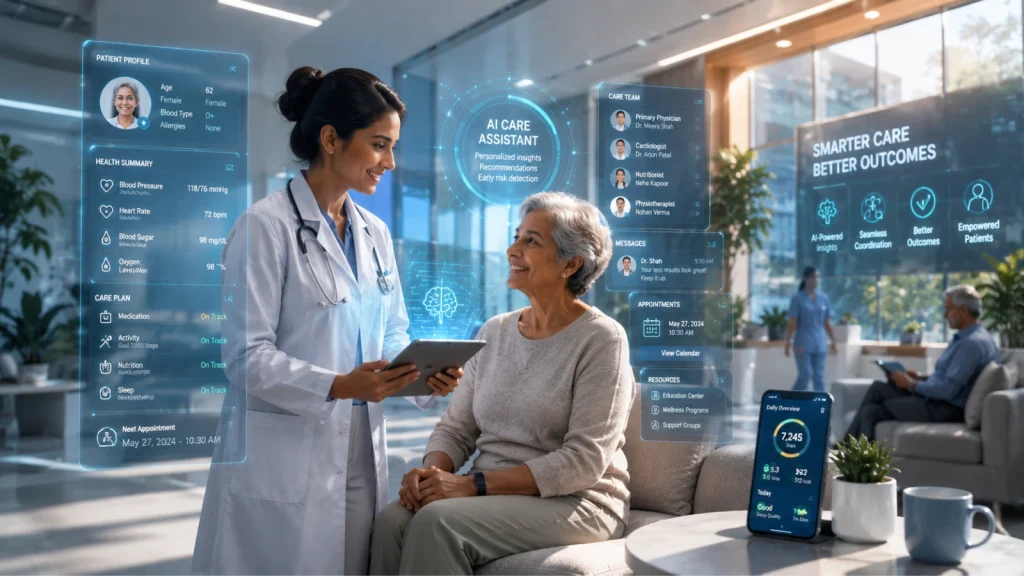
The future of patient care will combine AI-driven personalization with a stronger human connection, not replace it.
Patients already expect faster communication, digital access, personalized recommendations, and greater transparency around their care experience. Healthcare organizations that cannot meet those expectations may struggle competitively.
AI is accelerating that shift. Predictive systems can identify risks earlier, automate routine communication, and personalize outreach at scale. That allows clinicians to focus more attention on conversations that actually require empathy and judgment.
The most effective organizations will not choose between technology and humanity. They will use technology to create more room for humanity inside healthcare workflows.
Every redesigned process, every communication improvement, and every operational decision ultimately affects a real person seeking care. That is what makes patient centered care more than a strategy. It becomes the foundation of how healthcare organizations build trust at scale.
Frequently Asked Questions
What is patient centered care?
It is a healthcare approach that prioritizes patient preferences, communication, comfort, and active involvement in treatment decisions.
Why does this care model matter?
It improves patient satisfaction, strengthens treatment adherence, reduces readmissions, and creates better overall healthcare experiences.
How does AI improve healthcare delivery?
AI helps automate repetitive tasks, improve coordination between departments, identify high-risk patients earlier, and support proactive care planning.
How can hospitals create a more patient-focused experience?
Hospitals can improve communication, simplify care coordination, involve families in decisions, and use integrated digital systems to support smoother workflows.
What does a healthcare management platform do?
A healthcare management platform connects clinical, administrative, and patient communication processes to improve efficiency and continuity of care.