Recovery is never just about medicines.
Behind every successful recovery journey, there’s consistent support, emotional reassurance, timely medical attention, and compassionate care that helps patients regain confidence day by day. Whether someone is recovering after surgery, managing a chronic illness, healing from an injury, or simply dealing with age-related health challenges, the right support system can make all the difference.
That’s where patient care services step in.
Instead of spending extended periods in hospitals, many patients today prefer healing in the comfort of their homes. Familiar surroundings, family presence, and personalized attention often create a calmer and safer environment for recovery. But home recovery only works effectively when proper professional support is available.
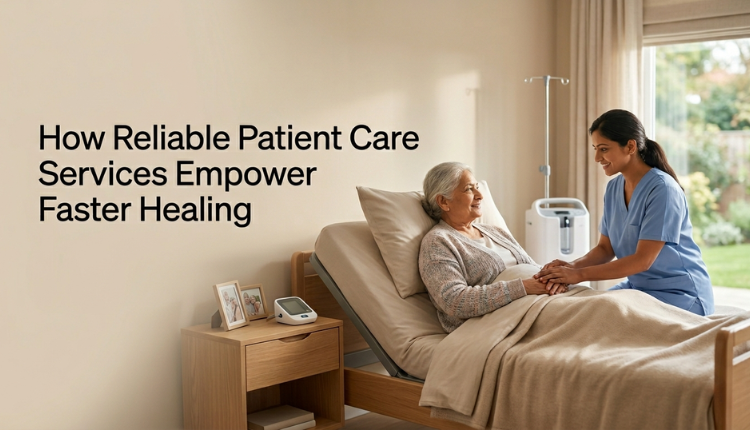
Reliable caregivers and healthcare professionals help patients maintain hygiene, take medications on time, monitor health conditions, assist with mobility, and provide emotional encouragement throughout the healing process.
In this blog, we’ll understand what is patient care services, how they work, and why they have become essential for faster and safer recovery.
What Is Patient Care Services?
Before understanding their benefits, it’s important to know exactly what is patient care services.
Patient care services refer to professional healthcare and personal assistance provided to individuals who need medical support, supervision, or daily living assistance during recovery or long-term health management.
These services can be offered in hospitals, rehabilitation centers, nursing homes, or directly at home through patient home care services.
The main purpose is simple:
to improve the patient’s quality of life while ensuring safety, comfort, dignity, and proper medical attention.
Depending on the patient’s condition, these services may include:
- Nursing care
- Medication management
- Physiotherapy support
- Post-surgery recovery assistance
- Mobility support
- Feeding assistance
- Personal hygiene care
- Companionship and emotional support
- Monitoring vital signs
- Chronic illness management
For many families, professional caregivers become a reliable extension of the household, helping patients recover with confidence and peace of mind.
Why Healing At Home Often Works Better

Hospitals are essential for treatment, surgeries, and emergency care. But once the critical phase is over, recovery at home often produces better emotional and physical outcomes.
Patients usually feel more relaxed in familiar surroundings. They sleep better, eat more comfortably, and experience less stress compared to long hospital stays.
This emotional stability directly impacts healing.
Reliable patient care services ensure that patients receive professional attention without losing the comfort of home. From assisting with medications to helping patients move safely, caregivers create a balanced recovery environment that promotes faster healing.
Home recovery also lowers exposure to hospital-acquired infections, which can be especially dangerous for elderly individuals or patients with weakened immunity.
The Growing Importance Of Patient Home Care Services
In recent years, the demand for patient home care services has increased rapidly.
Families today are looking for healthcare solutions that are not only effective but also personalized and emotionally supportive. Home care bridges that gap by combining professional medical support with compassionate caregiving.
These services are especially beneficial for:
- Elderly patients
- Post-operative patients
- Stroke recovery patients
- Individuals with paralysis
- Cancer patients
- Patients with mobility limitations
- Individuals requiring long-term care
Instead of shifting patients repeatedly between healthcare facilities, caregivers bring professional support directly to the patient’s home.
This reduces stress for both patients and families while ensuring continuous monitoring and personalized recovery care.
How Patient Care Services Support Faster Recovery

1. Continuous Health Monitoring
One of the biggest advantages of professional caregiving is regular health monitoring.
Trained caregivers observe changes in:
- Blood pressure
- Oxygen levels
- Pulse rate
- Body temperature
- Breathing patterns
- Physical behavior
Even small changes can indicate complications. Early detection allows doctors or family members to take timely action before conditions worsen.
This proactive care significantly improves recovery outcomes.
2. Timely Medication And Treatment Support
Missing medications or delaying treatments can slow down recovery and create health risks.
Professional caregivers ensure:
- Medicines are given on time
- Dosages are followed correctly
- Wound dressings are changed safely
- Injections or therapies are administered properly
- Follow-up routines are maintained
This consistency helps patients recover safely without unnecessary complications.
3. Emotional Support Speeds Up Healing
Recovery isn’t only physical.
Many patients struggle emotionally during long recovery periods. Feelings of loneliness, anxiety, helplessness, or frustration are common, especially among elderly patients.
Reliable caregivers provide companionship, conversation, and emotional reassurance.
Sometimes, simple things make the biggest difference:
- Listening patiently
- Encouraging positive thinking
- Helping patients stay socially active
- Assisting with hobbies or light activities
This emotional support improves mental well-being, which directly contributes to better healing and motivation.
Personalized Care Makes Recovery More Effective
No two patients recover the same way.
That’s why high-quality patient care services focus on personalized care plans rather than one-size-fits-all solutions.
A proper recovery plan considers:
- Medical history
- Current health condition
- Mobility level
- Dietary needs
- Medication routines
- Emotional health
- Family involvement
For example, a stroke patient may need physiotherapy and mobility assistance, while a post-surgery patient may require wound care and medication supervision.
Personalized care improves comfort while helping patients recover more efficiently.
Types Of Patient Care Services Available
Skilled Nursing Care
Professional nurses handle:
- IV support
- Catheter care
- Wound dressing
- Vital monitoring
- Injection administration
This is especially important for patients recovering after surgery or dealing with chronic medical conditions.
Physiotherapy And Rehabilitation
Mobility plays a major role in recovery.
Physiotherapists help patients:
- Regain strength
- Improve balance
- Reduce stiffness
- Restore movement
- Prevent muscle loss
Regular rehabilitation sessions also reduce the risk of falls and further injuries.
Post-Operative Care
After surgery, patients often need close supervision to avoid infections and complications.
Post-operative caregivers assist with:
- Pain management
- Mobility support
- Hygiene care
- Medication routines
- Recovery monitoring
This helps patients heal comfortably and safely at home.
Elderly Care Support
Older adults often require daily assistance even without major illnesses.
Caregivers help seniors with:
- Bathing
- Dressing
- Feeding
- Walking assistance
- Medication reminders
- Emotional companionship
This allows elderly individuals to maintain dignity and independence while staying safe.
Palliative And Chronic Care
Patients with serious or long-term illnesses require ongoing support focused on comfort and quality of life.
Palliative caregivers provide:
- Pain management
- Emotional support
- Daily care assistance
- Comfort-focused routines
Families also receive guidance and emotional reassurance during difficult times.
The Role Of Hygiene In Faster Recovery
Cleanliness is one of the most overlooked aspects of recovery.
Poor hygiene can lead to infections, delayed healing, and additional medical complications.
Professional caregivers maintain:
- Clean patient surroundings
- Proper sanitation
- Safe wound care
- Personal hygiene support
- Fresh bedding and clothing
This creates a healthier recovery environment and reduces health risks significantly.
How Reliable Caregivers Build Patient Confidence

Patients recovering from illness often lose confidence in their physical abilities.
Even basic tasks like walking, bathing, or eating independently can feel overwhelming after surgery or prolonged illness.
Reliable caregivers encourage gradual independence while ensuring safety.
This emotional encouragement helps patients:
- Feel more confident
- Stay mentally positive
- Participate actively in recovery
- Reduce fear and anxiety
A positive mindset often becomes one of the strongest drivers of healing.
Why Families Trust Professional Patient Care Services
Family members naturally want the best care for their loved ones. However, balancing caregiving with work, responsibilities, and emotional stress can become overwhelming.
Professional patient home care services provide much-needed support.
Families gain peace of mind knowing that trained professionals are:
- Monitoring health conditions
- Managing medications
- Assisting with mobility
- Handling emergencies
- Providing compassionate care
This reduces stress while ensuring patients receive proper attention around the clock.
Qualities Of A Good Patient Care Provider
Choosing the right caregiving service matters greatly.
A reliable provider should offer:
- Trained and certified caregivers
- Emergency response support
- Personalized recovery plans
- Transparent communication
- Compassionate staff
- Hygiene and safety standards
- Experience with different medical conditions
The best caregivers don’t just assist medically – they create trust, comfort, and emotional security for patients and families alike.
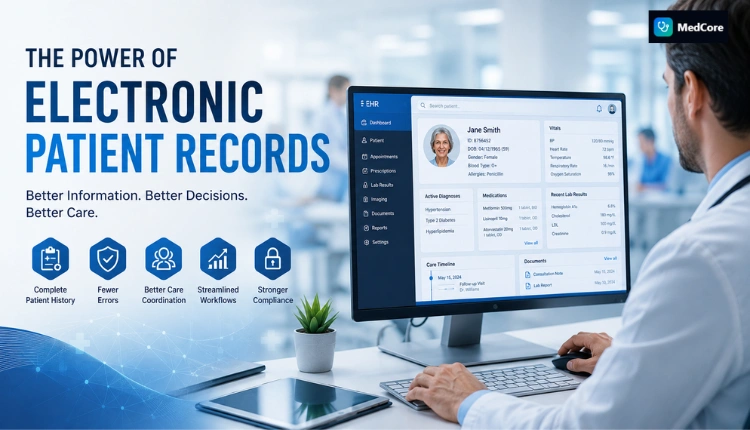
As patient expectations continue to evolve, healthcare providers are also adopting smarter technologies to improve recovery experiences and streamline patient coordination. Modern hospitals and clinics are no longer relying only on manual workflows and disconnected systems.
Instead, they are turning toward AI-powered healthcare platforms that simplify operations, reduce administrative pressure, and help medical teams focus more on delivering compassionate patient care services. One such platform helping healthcare providers modernize their operations is MedCore.
How MedCore Is Transforming Patient Care Services In India
Delivering reliable patient care services requires more than just medical expertise. Hospitals and clinics also need efficient coordination, smooth communication, faster workflows, and accurate patient management systems.
That’s where MedCore makes a major difference.
Built specifically for Indian healthcare providers, MedCore is an AI-native healthcare operating system that helps hospitals, clinics, and healthcare facilities automate daily operations while improving patient experiences at every stage of care.
From patient acquisition and appointment management to AI-powered documentation, billing, follow-ups, and post-care engagement, MedCore connects every workflow into one intelligent platform.
Key Features Of MedCore
- AI Voice Receptionist
A 24/7 AI-powered voice assistant helps hospitals manage appointment bookings, patient queries, billing support, and emergency triage in multiple Indian languages.
- Ambient AI SOAP Scribe
Doctors can reduce documentation workload with AI-generated SOAP notes, allowing them to spend more time focusing on patient care and consultations.
- Real-Time OPD Queue Management
MedCore offers live token displays, queue tracking, and patient flow management to reduce waiting times and improve operational efficiency.
- AI-Powered Follow-Ups
Automated outbound follow-up systems help healthcare providers stay connected with patients through voice calls, WhatsApp, SMS, and notifications.
- Smart Billing & Claims Automation
The platform simplifies GST-aware billing, UPI payments, insurance processing, refunds, and claims auto-drafting for faster financial workflows.
- AI Clinical Assistance
Healthcare providers can access advanced AI tools for:
- Radiology drafting
- Drug interaction checks
- No-show prediction
- ER triage support
- Medication adherence reminders
- Built For Indian Healthcare
MedCore supports:
- ABDM & ABHA integration
- FHIR R4 & HL7 interoperability
- DPDP-compliant data handling
- 8 Indian languages
- India-based AI infrastructure
- All-In-One Healthcare Management
The platform combines:
- Clinical operations
- HR & payroll
- Finance
- Patient engagement
- Mobile applications
- AI automation
- Compliance workflows
- within one centralized system.
By streamlining hospital workflows and reducing manual workload, MedCore helps healthcare teams focus more on delivering faster, smoother, and more compassionate patient care services.
Want to modernize your healthcare operations? Book a demo with MedCore today.
The Future Of Recovery Is Personalized Home Care
Healthcare is evolving rapidly.
Today, more people are realizing that healing doesn’t always require long hospital stays. Personalized home-based recovery supported by professional caregivers is becoming the preferred choice for many families.
Modern patient care services combine medical expertise with emotional support, creating a more balanced and human-centered recovery experience.
Patients recover with greater comfort, families experience less stress, and overall well-being improves significantly.
Final Thoughts
Recovery becomes easier when patients feel safe, supported, and cared for every step of the way.
Reliable patient care services provide much more than medical assistance. They offer emotional reassurance, personalized attention, mobility support, hygiene care, and professional monitoring that together create a smoother healing journey.
Whether it’s short-term post-operative care or long-term support for chronic conditions, compassionate caregivers help patients regain strength, independence, and confidence in the comfort of their homes.
As healthcare continues to shift toward personalized healing experiences, patient home care services are becoming an essential part of faster, safer, and more dignified recovery.
Choosing the right care can truly transform not only recovery outcomes but also the overall quality of life for patients and their families.
FAQs
1. What are patient care services?
Patient care services include medical and personal support provided to patients during recovery, illness, or long-term healthcare needs.
2. How do patient home care services help recovery?
Patient home care services provide professional support, medication management, mobility assistance, and emotional care in the comfort of home.
3. Who needs patient care services?
Elderly individuals, post-surgery patients, stroke survivors, and people with chronic illnesses often benefit from patient care services.
4. What should you look for in a patient care provider?
Look for trained caregivers, personalized care plans, hygiene standards, emergency support, and compassionate assistance.
5. Why is home recovery becoming more popular?
Home recovery offers better comfort, emotional stability, personalized attention, and lower risk of hospital-acquired infections.