The healthcare sector is undergoing one of the most significant transformations in its history. From the way diagnoses are made to how patients receive treatment at home, healthcare trends in 2026 reflect a decisive shift towards intelligent, connected, and patient-centric care. Driven by rapid advances in artificial intelligence, telemedicine, automation, and integrated digital infrastructure, the modern healthcare system is being rebuilt from the ground up.
Across the globe, healthcare providers, technology companies, and policymakers are aligning around a shared vision: delivering better outcomes at lower cost, with greater accessibility. This blog explores the most significant healthcare trends redefining patient care today and how organisations are leveraging healthcare technology trends to stay ahead.
Key Healthcare Trends in 2026
Before diving deeper, here is a snapshot of the major forces reshaping the healthcare landscape this year:
- AI-powered diagnostics and clinical decision support
- Telemedicine and virtual care expansion
- Remote patient monitoring via wearable devices
- Predictive and preventive healthcare strategies
- Automation of clinical and administrative workflows
- Interoperability and seamless data sharing
- Cloud-based healthcare infrastructure
- Strengthened cybersecurity and data protection
Each of these areas represents a shift not just in technology but in the philosophy of how care is delivered.
Key Healthcare Trends Shaping Patient Care in 2026
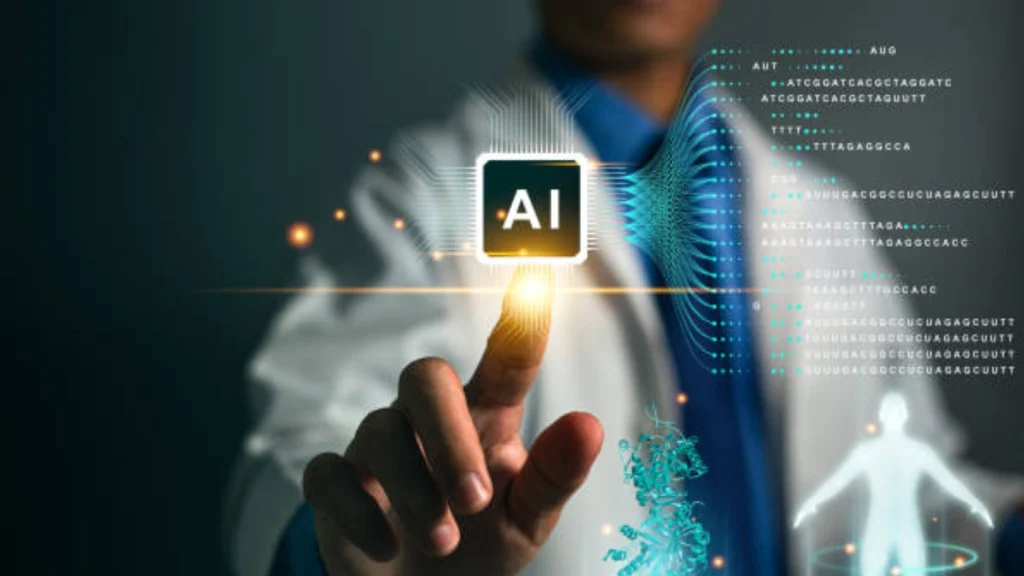
The trends in healthcare shaping 2026 are redefining how providers deliver care, manage operations, and improve patient outcomes. Driven by advances in artificial intelligence, telemedicine, wearable technology, predictive analytics, and connected healthcare systems, the industry is moving toward more intelligent, accessible, and patient-centric care models.
Below are the key healthcare technology trends transforming the future of patient care and digital healthcare delivery.
How AI Is Transforming Healthcare
One of the most impactful Healthcare Trends in modern medicine is the rise of artificial intelligence. From improving diagnostic accuracy to streamlining back-office operations, AI is embedded across the entire care continuum. These advancements are shifting healthcare from reactive treatment to proactive health management.
AI-Powered Diagnostics
Machine learning algorithms are now capable of analysing medical images, laboratory results, and patient histories with high precision. In radiology, AI tools can detect early-stage tumours, fractures, and anomalies in seconds. In pathology, deep learning models assist in identifying cancer cells with remarkable accuracy. The result is faster diagnoses, fewer errors, and improved patient safety.
Predictive Analytics in Healthcare
AI-driven predictive systems analyse large datasets to forecast patient deterioration, readmission risks, and population health patterns. This allows earlier interventions, better resource allocation, and personalised treatment pathways. Hospitals using these systems report reduced emergency admissions and shorter stays.
AI Automation and Workflow Efficiency
Administrative processes such as scheduling, coding, prior authorisation, and documentation are increasingly automated. Natural language processing tools can transcribe consultations and generate structured clinical notes, significantly improving operational efficiency.
Telemedicine and Virtual Care Expansion
Another major healthcare trend shift is the expansion of telemedicine. Virtual care has evolved into a permanent part of healthcare delivery, especially for follow-ups, chronic disease management, and mental health support.
Hybrid Healthcare Models
The dominant model in 2026 combines in-person and virtual care. Complex cases are treated physically, while follow-ups and routine consultations are handled remotely, improving efficiency and access.
Virtual Healthcare Accessibility
Telemedicine platforms are improving access for rural and underserved populations. Integrated language support and remote specialist consultations are making healthcare more inclusive.
Healthcare-at-Home Trends
Home-based care is expanding through remote monitoring and digital platforms, reducing hospital dependency and improving patient comfort.
Remote Patient Monitoring and Wearable Technology

A rapidly growing healthcare trend category is remote patient monitoring powered by wearable devices and IoT systems. Continuous health tracking is transforming preventive and chronic care.
Wearable Healthcare Devices
Smartwatches, biosensors, glucose monitors, and ECG patches collect real-time physiological data that integrates directly into health records.
Real-Time Patient Monitoring
Clinicians can track vitals continuously and receive alerts when readings become abnormal, enabling early intervention and better outcomes.
IoT and Connected Healthcare Systems
Connected devices such as smart beds and infusion pumps improve hospital efficiency and patient safety through real-time data exchange.
Predictive and Preventive Healthcare Trends
A major shift within healthcare trends is the move from treatment to prevention, using predictive analytics and personalised medicine.
Personalised Patient Care
Genomic and biomarker data allow treatments to be tailored to individual patients, improving effectiveness and reducing risks.
Preventive Healthcare Technologies
Digital tools help individuals monitor lifestyle factors and detect risks early through AI-driven insights and wearable data.
Data-Driven Healthcare Decisions
Large-scale health data analysis supports evidence-based treatment decisions and improves overall care quality.
Healthcare Automation and Interoperability
Operational efficiency remains a core focus of modern healthcare trends, with automation and interoperability playing a key role.
Workflow Automation in Healthcare
AI and robotics are automating billing, scheduling, pharmacy operations, and even assisting in surgeries, reducing errors and improving speed.
Connected Healthcare Ecosystems
Interoperable systems allow seamless data sharing between hospitals, clinics, and insurers, improving continuity of care.
EHR Integration and Data Sharing
Modern electronic health records support real-time data exchange, improving coordination and reducing duplication of tests.
Cybersecurity and Cloud Healthcare Infrastructure
As digital adoption increases, another critical healthcare trend area is cybersecurity and secure cloud infrastructure.
Protecting Healthcare Data
Healthcare systems are increasingly targeted by cyber threats. Security frameworks such as zero-trust architecture and encryption are now essential.
Cloud-Based Healthcare Systems
Cloud computing enables scalable, secure, and flexible storage and analytics solutions for healthcare organisations.
Secure Digital Healthcare Operations
Security is now embedded in every layer of healthcare systems, ensuring compliance, resilience, and patient trust.
How MedCore Supports Modern Healthcare Innovation
MedCore enables healthcare organisations to adopt modern Healthcare Trends through a unified AI platform that improves efficiency, reduces documentation burden, and connects fragmented systems.
AI Clinical Efficiency
MedCore automates SOAP notes, transcription, and clinical structuring using healthcare-focused AI and manual documentation to improve accuracy.
Interoperable Systems
Built for HL7/FHIR integration, MedCore connects EHR, lab, pharmacy, and billing systems into a unified patient record ecosystem.
Scalable Hospital Operations
Supports end-to-end digital transformation across OPD, billing, HR, and patient workflows, enabling growth from clinics to multi-site hospitals.
Secure & Compliant Infrastructure
Includes encryption, role-based access, and audit logs, ensuring healthcare-grade security and regulatory compliance.
MedCore aligns with evolving Healthcare Trends by enabling connected, intelligent, and scalable healthcare delivery systems.
Read More:
How AI Is Quietly Reshaping Hospitals: A Case Study on the Rise of Smarter Healthcare Solutions
The Future of Healthcare Is Intelligent and Patient-Centric
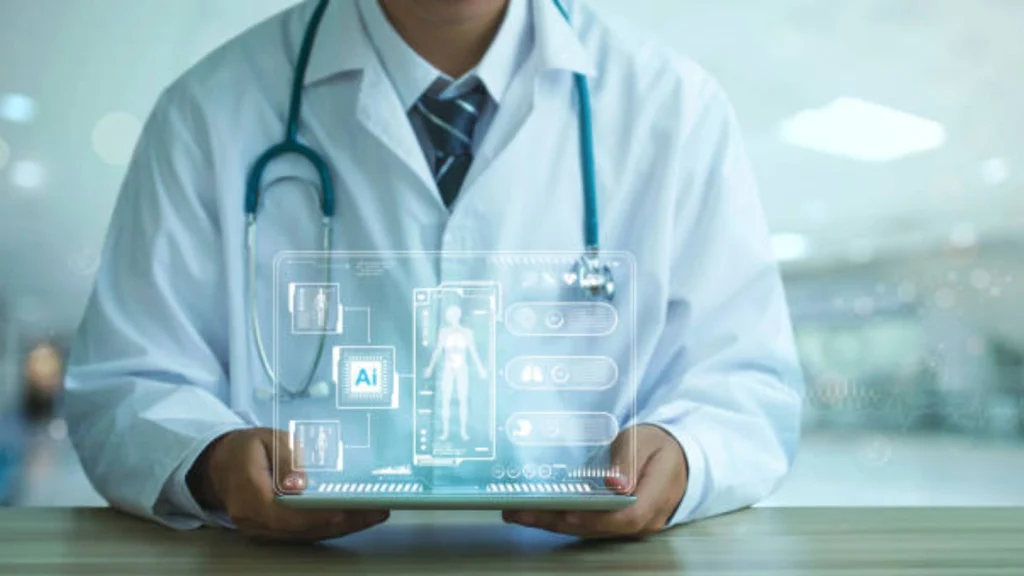
The healthcare trends shaping 2026 point clearly in one direction: a system that is smarter, more connected, and more focused on the individual patient than ever before. AI, telemedicine, remote monitoring, predictive analytics, and interoperability are not standalone technologies but interconnected pillars of a new model of care.
For patients, this means faster diagnoses, more personalised treatment, greater access to care, and improved long-term health management. For providers, it means enhanced operational efficiency, better resource allocation, and the ability to deliver higher-quality care to more people. For the healthcare industry as a whole, digital transformation represents an opportunity to build a more resilient, equitable, and sustainable system.
The organisations best positioned for this future are those investing now in the right technology foundations, the right partnerships, and the right cultures of innovation. The journey is complex, but the destination, a truly intelligent and patient-centric healthcare ecosystem, is within reach.
Frequently Asked Questions
What are the biggest healthcare trends in 2026?
The most prominent healthcare industry trends in 2026 include the widespread adoption of AI in diagnostics and clinical decision support, the expansion of telemedicine and virtual care models, real-time remote patient monitoring through wearable technology, predictive and preventive healthcare strategies, and the push for greater interoperability across connected healthcare systems.
How is AI changing healthcare?
AI is transforming healthcare by enabling earlier and more accurate diagnoses, supporting predictive analytics that forecast patient risk, automating repetitive administrative and clinical tasks, and personalising treatment pathways based on individual patient data. The overall effect is improved patient outcomes and greater operational efficiency for healthcare providers.
What are healthcare technology trends?
Healthcare technology trends encompass the advances in digital tools and platforms being adopted across the sector. These include AI-powered diagnostics, cloud-based health records, wearable monitoring devices, telemedicine platforms, robotic process automation, IoT-enabled connected devices, and cybersecurity solutions designed to protect sensitive patient data.
Why is telemedicine growing?
Telemedicine is growing because it addresses longstanding challenges in healthcare accessibility, cost, and convenience. Virtual care removes geographical barriers, reduces patient travel time, eases pressure on physical facilities, and enables more frequent and flexible engagement between patients and care teams. The clinical outcomes of well-designed telehealth programmes have been demonstrated to be comparable to in-person care for a wide range of conditions.
What role does technology play in healthcare?
Technology in healthcare plays a fundamental role in improving the quality, safety, efficiency, and accessibility of care. It enables clinicians to make more informed decisions, patients to engage actively in their own health management, and healthcare organisations to operate more sustainably. Digital transformation is not optional; it is the foundation upon which the next generation of healthcare will be built.
What is predictive healthcare?
Predictive healthcare uses data analytics, AI, and advanced diagnostics to identify health risks and disease patterns before they manifest as acute clinical events. By analysing patient data including genetics, lifestyle factors, and medical history, predictive healthcare enables care teams to intervene earlier, design preventive strategies, and reduce the burden of chronic disease. It represents a shift from reactive to proactive health management.