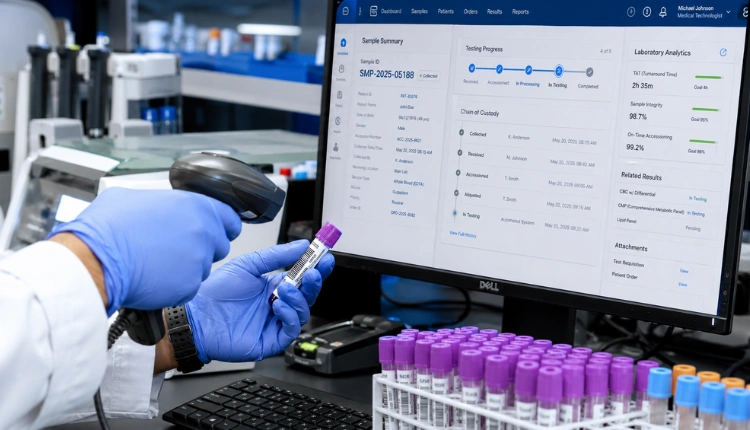

If you’re asking “does epic analyst do,” here’s the short answer: an Epic analyst configures, maintains, and optimizes Epic EHR modules so clinicians and front‑office teams deliver safe, efficient care. In 2026, the role blends workflow design, data standards, and hands‑on build to translate policy and medical practice into clicks that make sense. For context on EHRs as a system, see this plain‑English overview: Electronic health record (Wikipedia).
At a glance, you bridge two worlds. On one side are clinicians who need orders, notes, images, meds, and bills to move without delay. On the other is IT, with tickets, upgrades, and interfaces that must stay stable and secure. You listen, map the workflow, build it in Epic, test, train, and support go‑live. Then you measure results and refine.
The job is steady, hands-on, and detailed. It rewards people who care about patient safety and clean systems thinking. If you like solving real problems, can write clear steps, and enjoy learning a deep platform, you’ll do well here.
 , IT (interfaces, servers), and Epic modules (Cadence, Beaker, Radiant, Resolute). Friendly colors, simple icons, 2026 style UI references)
What Is an Epic Analyst and What Do They Actually Do?
At its core, the job is configuration and change. You tailor Epic’s build so a clinic, hospital, or service line can work the way it should. That includes fields, templates, orders, visit types, routing rules, and decision support. You also guard data quality and uptime through disciplined change control and testing. So, when someone asks, “what does epic analyst do here?” you can point to clear, measurable outcomes.
You act as the translator between clinical staff and IT. Nurses describe handoff pain points; you turn them into SmartForms, order sets, and alerts that reduce clicks and errors. Finance asks for cleaner claims; you adjust charge routers and rules so billing flows. You attend huddles, write specs, build, test, and present. You keep a queue, and you keep your cool.
Daily work mixes tickets with projects. One hour you tweak an order panel. Next, you script and run integrated testing across lab, imaging, and revenue. You log defects, track risks, and write end‑user tips that save minutes on every visit. You also cover on‑call blocks for outages or upgrade weekends.
- Core Epic modules you may support:
- Cadence (scheduling and access), Resolute (HB/PB billing), and Referrals
- Beaker (lab), Radiant (imaging), Willow (pharmacy), and Orders
- Cupid (cardiology), Stork (OB), Healthy Planet (population health)
- Core analyst tasks you’ll own:
- Build new workflows, SmartTexts, and SmartForms; test and move to prod
- Write change tickets, track approvals, and run smoke tests
- Train end users and create one‑page job aids
- Triage issues, analyze logs, and escalate interface errors
The Bridge Work
Most impact comes from gap‑closing. You listen to how care is given, map each step, and adjust Epic so the right data shows up at the right time. That’s the quiet craft of the role.
How to Become an Epic Analyst: Step-by-Step Path
There isn’t one “golden door.” But there is a proven path new analysts use in 2026. It blends baseline skills, Epic training, and real workflow time.
First, build a base in healthcare or IT. If you have clinical time as an RN, RT, MA, or scribe, that helps. If you come from IT or data, a support or BA role in a hospital gets you close to the action. The key is speaking both “clinic” and “config.
Second, get Epic training and a module credential via a hiring sponsor. Health systems and consulting firms sponsor you for a specific track, such as Cadence, Beaker, or Resolute. Training includes course work, a project, and an exam. You’ll also do a build project for your site before you’re cleared.
Third, spend time in the workflows you support. Sit with schedulers, nurses, and billers. Watch real patients move through. You’ll spot small steps that save hours each week.
From Training to First Role
Fourth, land your first role. Titles include “Epic Analyst,” “Application Analyst,” or “Clinical Systems Analyst.” Junior roles list 0–2 years. Contractor roles can help you stack go‑lives fast.
Fifth, specialize and grow. Pick depth in one module, and add a second that touches it. For example, Cadence pairs well with Resolute; Beaker pairs with Radiant. Over time, move into lead roles, project work, or analytics.
- Step 1: Build a healthcare or IT base
- Aim for entry roles in hospital IT, revenue cycle, or clinic ops.
- Step 2: Secure Epic module training
- Get sponsored by a client site; complete coursework and the exam tied to your module.
- Step 3: Learn real workflows
- Shadow end users and write process maps before you build.
- Step 4: Land the first analyst role
- Target modules that match your background to speed ramp‑up.
- Step 5: Specialize and advance
- Add adjacent modules and project skills (testing, cutovers, upgrades).

Certification Notes
Epic training is tied to employment at a customer or partner. Plan your path so a sponsor can enroll you in the right track. This is where your “does epic analyst do” research pays off by pointing you to the module that fits your past work.
Also Read!
How to Use Montefiore MyChart: A Complete Patient Guide
Your Guide to Nursing Informatics Jobs: Roles, Salaries, and How to Get Hired
Common Mistakes When Pursuing an Epic Analyst Career
You’ll see the same avoidable errors from new candidates. They slow offers and make day one harder than it needs to be. Knowing them now saves months.
First, skipping workflow time. You can read build guides, but you can’t fake experience with intake, orders, and discharge flow. Sit with end users. Take notes on handoffs and delays.
Second, being only “technical.” Build matters, but change lives or dies on people. You need stakeholder maps, clear release notes, and training plans. Without change management, your best build won’t stick.
Third, ignoring soft skills. Clear writing is a superpower. So are meeting notes and follow‑ups that close loops. Hiring managers remember who makes complex steps sound simple.
Access, Cost, and Networking
Fourth, underestimating cost and access. Epic training runs through employers. Don’t buy random courses that promise a shortcut. Instead, target roles that state “Epic experience preferred” and use them to earn your sponsor.
Fifth, not networking in Epic circles. User group meetings (UGMs), LinkedIn groups, and local meetups bring job leads and mentors. Ten well‑placed notes can beat 100 blind applications.
- Mistakes to avoid fast:
- Skipping workflow shadows to “learn later”
- Over‑focusing on tools and ignoring people and policy
- Treating training as a solo step, not tied to a sponsor
- Forgetting to ask, “what does epic analyst do in this service line?
Fix It Fast
Pair every tech skill with a workflow story. For example, “I reduced no‑show rebook time in Cadence by simplifying visit types and rules.
Tools and Systems Epic Analysts Work With
Epic is an ecosystem, not a single screen. You’ll live in Hyperspace (the main client), shape patient access in MyChart, and pull data with Cogito tools. You’ll also touch orders, messaging, care plans, and billing. Your work must line up with privacy, safety, and interface rules across the site.
On the edges, you’ll deal with lab systems (LIS and analyzers), PACS and VNA for imaging, claims tools and clearinghouses, and identity services like Active Directory. You’ll review HL7 v2 feeds and REST calls to confirm who sends, who receives, and what breaks when fields change. For a high‑level intro to modern data exchange, see FHIR on Wikipedia.
Epic vs Non‑Epic Environments
Many analysts spend time in mixed stacks. Some sites run Epic across the enterprise. Others run Epic in one line and a different hospital system elsewhere. In those blended shops, you’ll match workflows and data between platforms so end users don’t feel seams.
As you explore the landscape, you’ll see non‑Epic hospital systems designed for different markets. As one example, tools like MedCore focus on solo clinics, mid‑sized hospitals, and multi‑specialty facilities in India. MedCore is AI‑native with integrated workflows and a unified EHR, offers a full clinical EHR with FHIR R4 and HL7 v2 support, and ships with 45 modules developed with the input of doctors, nurses, and administrators. In addition, DPDP Act 2023 compliance and ABDM/ABHA linking address local privacy and identity needs. Those specifics matter when you plan interfaces and rollouts in mixed environments.
“Our OPD wait time dropped from 40 minutes to 12. The live token display alone was worth the switch.” — Dr. Meera Rao, Medical Director, Asha Hospital
As a systems analyst, you measure wins in minutes saved, fewer clicks, and cleaner claims. You also track uptime. For example, 24/7 uptime targets and audit trails shape your go‑live plans and on‑call rota. That’s where your methodical notes and test scripts shine.

What to Do This Week If You Want to Become an Epic Analyst
Small moves this week can set up big moves this quarter. Keep it simple and focused. Spread effort across learning, people, and roles.
First, match your background to a module. If you’ve worked in access or front desk, study Cadence. If you’ve worked in billing, review Resolute. If you’re a lab tech, explore Beaker. This narrows your pitch and your target roles.
Second, talk to three current analysts. Send brief, clear notes on LinkedIn with one question tied to their module. Ask what surprised them most in their first 90 days. Write down what they say. Use it in your next interview.
Third, review posted roles and note patterns. Titles vary. Track which skills show up the most in 2026 job posts. You’ll likely see comfort with change control, testing, and release notes high on the list.
Plan and Pay
Fourth, map a study plan. Block two 45‑minute slots for build guides, then one for workflow shadows or recorded demos. Keep a running “I can do this now” list for your resume.
Fifth, research pay bands in your region and set a target based on your module and experience. In public U.S. postings in 2026, you’ll often see ranges like $65K–$120K+, with higher pay for in‑demand modules and on‑call duties. Use this to plan your search, not to lock yourself in.
- One‑week checklist:
- Pick one target module
- Book three 15‑minute chats with analysts
- Save 10 live job posts; highlight shared asks
- Draft a 6‑week learning plan
- Set a realistic pay target and range
- Apply to two roles that sponsor Epic training
Key Takeaways
- An Epic analyst builds, tests, and improves Epic modules so clinical and revenue teams work faster and safer.
- Your edge is workflow fluency plus clean build. Tools are only half the job.
- The path: healthcare or IT base → Epic training via a sponsor → real workflow time → first role → specialization.
- You’ll work across Hyperspace, MyChart, Cogito, and adjacent systems (LIS, PACS, billing) with HL7 v2 and FHIR in mind.
- Small steps this week—module focus, three chats, and a study plan—make you hire‑ready in 2026.

Therefore, if someone asks you “what does epic analyst do?” you can answer in one line: you translate clinical workflow into Epic build that saves time, reduces errors, and pays the bills. Now set your module focus, meet three analysts, and take your first step.
**Create your account today →